Commercial roofing is a critical component of any commercial building, ensuring the protection of assets and the seamless operation of business activities. The choice of roofing material can significantly impact maintenance costs, energy efficiency, and overall appearance. Understanding the range of available options can empower business owners to make informed decisions that best suit their needs and environmental conditions.
1. What Are the Most Common Types of Commercial Roofing?
1.1. Flat Roofs
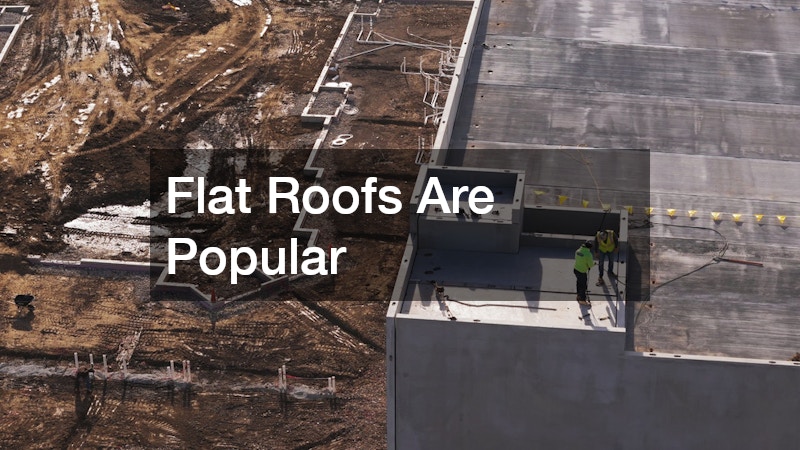
Flat roofs are a prevalent choice for commercial buildings due to their cost-effectiveness and ease of installation. They offer a sleek, modern look that provides additional space for HVAC systems and solar panels. However, flat roofs require consistent maintenance to prevent water pooling and leaks, especially in regions with heavy rainfall. An interesting feature of flat roofs is their potential for rooftop gardens, which can improve insulation. Despite these advantages, their lifespan typically lasts between 10 to 20 years when properly maintained.
The installation of flat roofs involves fewer materials compared to pitched roofs, translating into lower initial costs. In urban areas with limited space, the flat surface can serve as a makeshift recreational or functional area, adding value to the property. One key concern for flat roofs is their susceptibility to water damage if not properly waterproofed. Innovations in flat roofing materials, such as modified bitumen and rubber membrane technology, have improved their durability and water resistance. Routine inspections can help identify potential issues before they escalate into costly repairs.
When considering flat roofs, it’s important to weigh the initial savings against potential long-term maintenance costs. Modern designs incorporate improved drainage systems to address water accumulation issues, which extend the roof’s lifespan and performance. Compared to other types, flat roofs are relatively quicker to install, reducing business downtime during construction. This type of roofing is ideal for buildings with a minimal slope and where aesthetic conformity with surrounding architecture is not a major concern. Overall, flat roofs offer substantial flexibility for commercial applications.
1.2. Metal Roofing
Metal roofing offers a durable option, well-suited for commercial applications due to its longevity and environmentally friendly nature. Metal roofs, typically made from galvanized steel or aluminum, are fire-resistant and capable of reflecting solar heat, contributing to energy savings. These roofs can last between 40 to 70 years, depending on the type of metal and maintenance level. One advantage of metal roofing is its recyclability, making it a more sustainable choice for businesses prioritizing ecological impact. The initial cost of metal roofing is higher, but the long-term savings on energy and maintenance can outweigh this.
The installation of metal roofing is fairly quick, and its lightweight nature does not require extensive structural support. Metal panels come in a variety of styles and colors, allowing for aesthetic customization to match company branding or architectural design. Despite the benefits, metal roofs can be noisy during rainstorms without proper insulation. To address these concerns, contractors often recommend installing additional insulation layers to dampen sound and enhance thermal performance. Additionally, the reflective nature of metal can help reduce air conditioning costs during peak summers, providing comfort and savings for building occupants.
In terms of maintenance, metal roofs require minimal attention beyond regular inspections for corrosion and damage from extreme weather. Advances in protective coatings have further enhanced the corrosion resistance of metal panels in coastal or industrial areas where atmospheric conditions can be harsh. Businesses looking for a long-term, cost-effective, and eco-friendly solution may find metal roofing an excellent choice. While upfront costs may deter some, the return on investment in terms of energy savings and durability offers compelling advantages. Metal roofing stands out as an ideal option for businesses aiming toward sustainability without compromising performance.
1.3. EPDM Roofing
An increasingly popular commercial roofing option is EPDM roofing, commonly referred to as rubber roofing. Known for its exceptional durability and resistance to extreme weather conditions, EPDM is a cost-effective solution for businesses located in areas prone to severe climates. This roofing material is made from synthetic rubber, which offers excellent flexibility and resilience against thermal shock. One of the major benefits of EPDM is its long lifespan, ranging typically from 25 to 30 years with minimal maintenance. Additionally, its black surface can absorb heat, which can be advantageous in cold climates in reducing heating costs.
EPDM roofing is relatively easy to install, either fully adhered, mechanically attached, or ballasted using gravel or stone. Despite its inherent strengths, EPDM roofs can become susceptible to damage from debris buildup or improper installations. Regular inspections are essential to ensure seams remain intact and to promptly address any punctures or tears that may develop over time. The material’s resistance to ultraviolet rays further minimizes degradation and extends its functional life. For those seeking an economical choice with proven performance over decades, EPDM provides an attractive balance of affordability and reliability.
One downside is that the standard dark color of EPDM can contribute to heat absorption, potentially increasing cooling costs in warm climates. However, advancements have led to the development of “cool roof” variants that feature a white or reflective coating to counteract this. Despite occasional maintenance needs, the simplicity of infrequent repair work, and compatibility with solar panel installations make EPDM a versatile and efficient option. Many businesses are turning to EPDM as it offers both durability and a competitive price point, making it a staple choice for flat or low-slope commercial roofing projects. The broader acceptance and use of EPDM make it a dominant player in the commercial roofing market.
1.4. TPO Roofing
TPO (Thermoplastic Olefin) roofing is a single-ply reflective roofing membrane increasingly favored for its energy-efficient properties and ease of installation. This type of roofing material combines the durability of rubber with the flexibility of thermoplastics, offering a highly advantageous solution for commercial buildings. TPO membranes are known for their ability to reflect UV rays, making them ideal for reducing cooling costs in industrial complexes and office buildings. Moreover, TPO roofs are resistant to mold growth and dirt accumulation, translating to lower maintenance demands over the life of the roof. Despite concerns regarding the membrane’s long-term durability, the industry continues to improve formulations for longer-lasting protection.
One significant benefit of TPO roofing is its broad adaptability to different design specifications, allowing customized installation based on building requirements and aesthetic preferences. TPO membranes can be installed through various methods, including mechanical fastening, fully-adhered, and ballasted systems, providing flexibility in response to structural demands. A point in TPO’s favor is its well-balanced waterproofing properties, ensuring reliable protection against leaks. However, the quality and methods of installation play a significant role in determining the roof’s durability and performance. Property managers should work with certified installers to ensure TPO’s full benefits are realized.
The sustainability aspect of TPO roofing attracts businesses aiming to lower their carbon footprint, thanks to its recyclable composition and energy efficiency. The brighter, reflective colors available reduce heat absorption, promoting a cooler interior environment in warm climates. Such energy-efficient features not only aid in reducing operational costs but also align businesses with LEED certification standards, positioning them as environmentally responsible entities. Being readily available and cost-competitive, TPO continues to grow as a practical choice for new constructions and re-roofing projects. For businesses seeking sustainable solutions with a sophisticated blend of resilience and economic value, TPO remains a leading contender in the industry.
1.5. Built-Up Roofing (BUR)
Built-Up Roofing (BUR) is a traditional choice that has been used for over a century, consisting of alternating layers of bitumen and reinforcing fabrics. Known for its rugged durability and excellent waterproofing capabilities, BUR is often utilized in flat or low-slope commercial roofing projects. The heavy layers contribute to impressive fire resistance, thermal performance, and proven reliability in harsh weather conditions. While the installation is labor-intensive, leading to higher upfront costs compared to modern membranes, the benefits in longevity can be substantial. However, the weight of BUR systems requires strong structural support, which can limit its applicability in some situations.
The multiple layers in BUR systems provide redundancy, which is beneficial for defense against punctures and leaks. Unlike single-ply membranes, if the topmost layer is compromised, the underlying layers continue to offer protection. This redundancy factor extends the performance life of BUR roofs, often lasting between 15 to 30 years. Maintenance practices predominantly involve routine inspections and prompt addressing of surface blisters or cracks that may result from weathering. The adaptability of BUR systems also allows them to be incorporated into hybrid roofing configurations, expanding their utility beyond standard applications.
Although BUR has been a longstanding go-to for numerous commercial projects, modern trends emphasize energy efficiency and lighter materials, which BUR traditionally lacks. Innovations in BUR formulation and insulation compatibility have emerged to reduce energy usage, making them more favorable to contemporary sustainability standards. Entrepreneurs seeking a robust, proven solution that offers reliable protection over extensive periods often find value in choosing BUR. For refurbishing older buildings or ensuring historical compliance in retrofitted installations, BUR can fit adequately while achieving performance goals effectively. Consequently, BUR remains relevant, especially where durability and reliability are crucial considerations.
2. How to Choose the Right Roofing Material for Your Business?
2.1. Assessing Climate and Environmental Factors
Choosing the correct roofing material for a commercial building requires careful assessment of the local climate and environmental conditions. Temperature fluctuations, precipitation patterns, and exposure to extreme weather events all influence the ideal type of roofing material. Roofing options such as metal or TPO are particularly well-suited for areas with high sun exposure due to their reflective properties, which reduce heat absorption. Alternatively, EPDM roofs may offer advantages in colder climates due to their heat-retaining characteristics. Understanding these climate interactions helps in selecting a roof that optimally balances performance, durability, and energy efficiency.
Environmental considerations also involve understanding potential challenges unique to certain geographical regions, such as hurricanes, tornadoes, or heavy snowfalls. Roofs designed to withstand high wind loads or additional insulation for snow-heavy areas ensure longevity and reduced maintenance demands. Additionally, proximity to industrial pollution or saline coastal air may necessitate protective coatings that prevent corrosion and degradation. Prioritizing these factors ultimately minimizes long-term damage and preserves the structural integrity of the commercial building. Thus, aligning roofing material choices with the local environment is fundamental in formulating a sustainable and cost-effective roofing strategy.
Evaluation of the environment extends to eco-conscious considerations as businesses increasingly seek low-impact, green roofing solutions. Options such as green roofs or solar-ready roofs not only offer environmental benefits but can result in financial savings through reduced utility costs and available government incentives. By factoring in both climatic and ecological criteria, businesses can make strategic decisions that align with both financial objectives and corporate responsibility commitments. The data-driven approach to assessing environmental impacts can lead to substantial savings while enhancing the overall value and function of the commercial space. Thus, navigating climatic challenges with informed decisions can provide tangible benefits over the roof’s lifecycle.
2.2. Evaluating Longevity and Durability
The longevity and durability of roofing materials are paramount considerations in determining the value and resilience of commercial roofing solutions. Materials like metal and TPO roofs are often chosen for their extended lifespans, with the potential to outlast other options while requiring minimal maintenance. Businesses must weigh upfront costs against the expected life of the roofing system, as longer-lasting materials frequently offer improved life-cycle costs. Longevity often correlates to better warranty terms, reflecting the manufacturer’s confidence in the product’s performance over time. Understanding these aspects aids companies in choosing a roofing solution that aligns with long-term planning and cost management objectives.
Durability challenges are posed by various environmental stressors, including temperature extremes, precipitation, and physical impacts. Roofs such as BUR and EPDM demonstrate resilience to certain weather patterns, with the potential to mitigate repair costs through their layered construction methods. In addition, properties like UV resistance, thermal expansion capacity, and tensile strength factor significantly into the overall durability of the roof material. Selecting materials specifically designed to withstand environmental stressors ensures that the roofing investment stands resilient under challenging conditions, maintaining functionality over a longer period. It is crucial to match roofing material durability with anticipated environmental exposures and specific building requirements.
Technological advances have expanded the range of durable roofing solutions available, providing enhanced protection features that extend the life expectancy of modern commercial roofs. Longevity is not solely determined by material selection but involves a combination of correct installation techniques, maintenance practices, and periodic inspections. Service records and condition monitoring further bolster durability by identifying vulnerable points before they develop into major issues. By prioritizing durability in the selection process, businesses reinforce the structural and functional integrity of their investments, reducing replacement frequency and overall capital expenditures. The careful balance of these factors establishes a strong foundation for an efficient, long-lasting roofing strategy.
2.3. Cost Analysis and Budgeting
A well-executed cost analysis is pivotal to making informed decisions about commercial roofing, influencing material choice, installation options, and long-term financial policies. Initial material costs vary significantly among roofing types, with flat roofs and EPDM offering generally lower entry points, whereas metal and green roofing options can command a higher price tag. A comprehensive budget must factor in not just immediate material and installation expenses, but potential future savings through energy efficiency and enhanced durability. Budget drafts should incorporate contingency allowances for addressing unexpected expenditures that may arise from unforeseen complications during installation. It ensures financial foresight, averting overruns that could impact other business operations.
Cost analysis extends to understanding the comparative life-cycle costs of differing roofing materials supported by potential financial incentives, like government rebates, which can ameliorate initial investments. These cost-saving opportunities arise particularly through choices in environmentally friendly roofing systems, encouraging the selection of sustainable options. Businesses must also consider the ongoing maintenance expenses expected across a roof’s life, with some materials carrying historically lower maintenance burdens. Factoring in these variables delivers a clear-eyed view of total ownership cost for each roofing solution, unveiling the most economically advantageous path forward. Accurate budget forecasting aligns financial planning with strategic business goals, mitigating risk.
Budgeting involves the exploration of financing solutions tailored to commercial roofing projects, enhancing feasibility for large-scale installations in capital-constrained environments. Some businesses may opt for leasing arrangements, spreading costs over the roof’s useful life, thus avoiding significant upfront expenditure. Additionally, partnerships with reputable roofing contractors, familiar with cost management strategies and industry pricing trends, help to maintain fiscal efficiency throughout project execution. Transparent budgetary frameworks facilitate robust tracking and adjustments in response to dynamic financial landscapes. Effective budgeting supports corporate financial health, building confidence in the allocation of resources toward securing a reliable, optimized roofing system.
2.4. Energy Efficiency and Green Options
Energy efficiency targets are increasingly driving the selection process for commercial roofing materials, with advancements in technology prompting businesses to adopt more sustainable practices. Roofing systems like TPO and green roofs help lower energy consumption by reflecting sunlight, reducing excessive heating loads during summer months. Additionally, energy-efficient roofing materials can directly contribute to reduced carbon footprints, satisfying both operational efficiency demands and regulatory compliance. Choosing systems that enhance a building’s thermal insulating properties translates to tangible reductions in heating and cooling costs, offering businesses an economically viable return on investment. Improved energy efficiency aligns with global environmental standards, strengthening corporate environmental initiatives while controlling operational expenditures.
Green roofing solutions expand significantly into the realm of vegetative rooftops, offering multiple ecological benefits, including stormwater management and air quality improvement. These living roofs enhance energy efficiency by providing natural insulation, reducing heat island effects, and promoting sustainable urban development. Financial incentives promote investment in eco-friendly roofs, with opportunities like tax credits or energy rebates encouraging property owners to prioritize green upgrades. Significantly, the installation of solar panel compatible roofs fosters renewable energy generation, integrating clean energy solutions into commercial real estate portfolios. Combined, these approaches cultivate a model of sustainable urban living, reinforcing the responsibility of businesses to minimize environmental impacts.
While initial costs for energy-efficient or green solutions may seem prohibitive, long-term savings derived from reduced energy consumption and available incentives present a compelling financial case. Selecting the right combination of materials and design strategies requires consulting with roofing experts familiar with the latest technological advances and eco-trends. Continual advancements in building material sciences are enhancing energy efficiencies, presenting new opportunities for innovation in roofing applications. By aligning with energy-efficient solutions, businesses stand to benefit from enhanced building performances, creating a sustainable and economically sound foundation that resonates with contemporary business ethos. These energy commitments yield environmental and financial dividends, fortifying ecological stewardship within the corporate responsibility agenda.
2.5. Aesthetic and Design Considerations
The aesthetic appeal of roofing material aesthetics plays a crucial role in enhancing the overall visual impact and representation of a commercial building. Design preferences are instrumental in expressing a business brand identity, aligning structural features with company values and clientele perception. Diverse roofing materials provide distinct stylistic choices, from the classic elegance of tile to the modern allure of metal, catering to architectural vision and competitive market positioning. These aesthetic selections should balance practical application, ensuring that form complements functionality and overarching strategic objectives. Harmonizing design elements with environmental setting bolsters asset value and contributes to favorable market impressions.
When exploring design considerations, roofing decisions must reflect both exterior and interior landscape, harmonizing cohesively within the surrounding environments. Commercial properties often leverage architectural aesthetics to distinguish brands, leveraging color compatibility, texture contrast, and material adaptability. The choice of reflective materials or unique spatial roofing configurations can transform simplistic architectural concepts into iconic structures of prestige. Ultimately, balancing physical appearance with performance and durability affirms that design choices are substantiated by endurance and lasting functionality. Innovative contributions allow businesses to enter new design paradigms, where creativity and performance coexist seamlessly within architectural footprints.
Innovative roofing materials and technology make it possible to achieve distinct design vision, despite any structural complexities that may arise. Engaging industry experts offers insight into the latest aesthetic trends, ensuring brand synchronization and superior structural performance across diverse commercial contexts. Notably, thoughtful integration of creative design with functionality propels synergy across all building components, underpinning successful business environments. Dynamic aesthetic considerations become canvases for projecting corporate philosophies beyond functionality, resonating through every aspect of the built environment. Attentive to market movements and aesthetic evolution, businesses position themselves advantageously within ever-evolving commercial landscapes through strategic design explorations.