
Executing a large-scale commercial construction project requires coordinating dozens of moving parts, managing massive budgets, and aligning specialized sub-contractors on a tight timeline. From the moment heavy machinery breaks ground to the final property evaluation, project managers rely on an ecosystem of specialized vendors to keep operations efficient, safe, and compliant.
Sourcing the right partners at each phase directly impacts safety compliance, waste reduction, and overall profitability. This guide outlines the essential vendor categories required to navigate every major stage of a commercial build, ensuring site readiness, structural integrity, custom craftsmanship, and smooth project closeout.
Phase 1: Site Readiness and Worker Amenities
Before vertical construction begins, the job site must be cleared, leveled, and prepared for heavy workforce foot traffic. Establishing a secure, functional environment right away sets the operational tone for the entire build.
The initial phase progresses systematically from basic land clearing to building essential worker support systems. It begins with heavy earthmoving and grading to establish a stable foundation, transitions into setting up temporary portable sanitation stations across the footprint, and finishes with establishing subterranean waste containment for unsewered plots. Once this physical ground setup and operational infrastructure are fully established, the project transitions directly into vertical assembly and heavy structural installation.
Initial Earthmoving and Ground Preparation
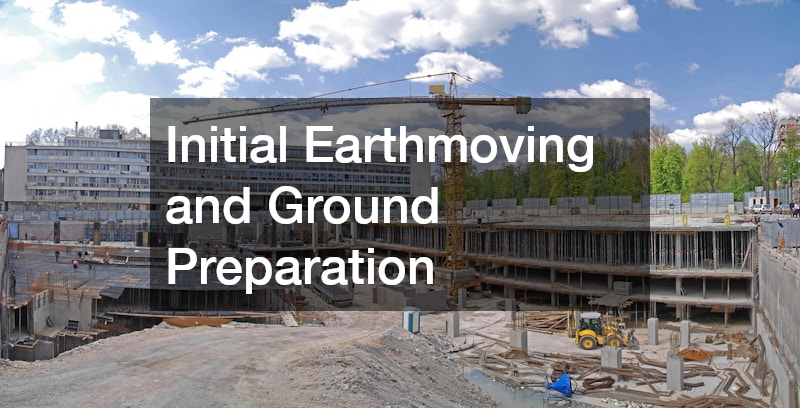
Every major structure requires a clean, stable foundation. Engaging reputable excavation companies during the pre-construction phase ensures that soil grading, trenching, and site clearing meet structural engineering specifications. These specialists handle site clearing, bulk earthmoving, sub-grade preparation, and deep foundation digging.
Proper earthwork prevents costly delays caused by unexpected rock formations, high water tables, or poor soil compaction. Working with experienced contractors ensures that site drainage and utility trenches are dug accurately from day one, preventing erosion issues during heavy rainfall.
Temporary Sanitation Infrastructure
A large construction workforce requires proper site amenities to maintain health standards, productivity, and OSHA compliance. Securing reliable portable toilet rental services ensures that the site is equipped with adequate, well-maintained sanitation stations relative to crew size.
Vendors should provide regular cleaning, restocking, and servicing routines tailored to peak worker counts. Strategically placing units across expansive commercial job sites minimizes worker downtime and supports a hygienic working environment throughout long shifts.
Subsurface Waste Management and Systems Care
For developments taking place on semi-rural or unsewered commercial plots, managing human waste and site runoff requires specialized underground infrastructure. Contracting experienced septic pumping companies ensures that temporary holding tanks, field systems, and underground containment units are regularly drained and maintained.
Overlooking subterranean waste storage leads to overflows, environmental violations, and work stoppages. Reliable partners manage liquid waste disposal responsibly, maintaining the necessary compliance documentation required by local environmental agencies.
Phase 2: Heavy Lifting and Structural Engineering
Once the ground is prepared and utility conduits are marked, the build moves into vertical assembly. Modern commercial architecture often combines heavy steel frameworks, mass timber, and complex earth-retention barriers.
Rigging and Heavy Hoisting Operations
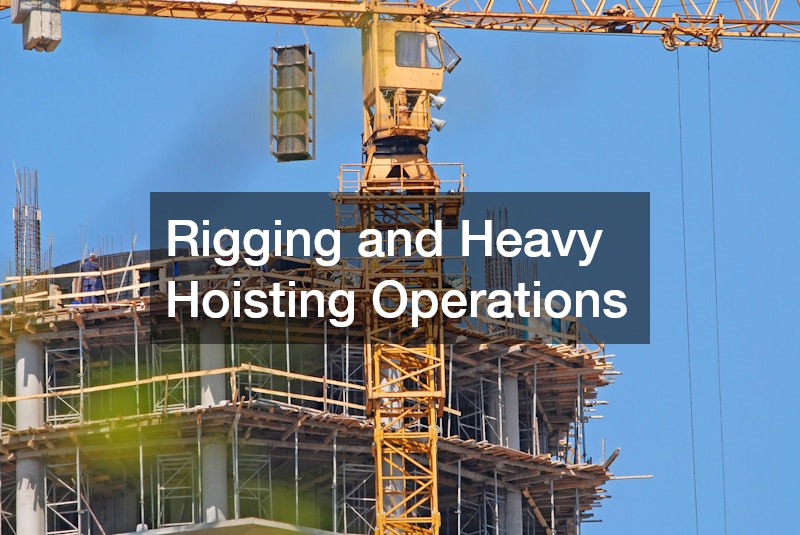
Lifting precast concrete panels, heavy structural steel beams, and rooftop HVAC units requires certified machinery, precise mathematical calculations, and expert riggers. In large-scale commercial construction, vertical logistics represent one of the most critical operational bottlenecks, as moving multi-ton materials into tight urban footprints or elevated positions demands absolute control.
Partnering with established crane companies provides immediate access to specialized equipment, including all-terrain, crawler, and tower cranes precisely tailored to site-specific height, reach, and weight demands. Selecting the correct crane configuration involves assessing ground bearing capacity, wind load tolerances, swing radiuses, and boom lengths to ensure that every drop point is reached safely without exceeding the machine’s structural load chart.
Beyond simply supplying heavy machinery, these specialized vendors deliver an entire ecosystem of technical personnel, including certified operators, lift plan engineers, master riggers, and dedicated signal personnel. Engineering teams draft comprehensive lift plans that map out crane positioning, load distribution, rigging hardware specifications, and precise pick-and-set sequences long before a hook is ever attached to a payload.
This meticulous level of pre-planning accounts for site hazards such as nearby overhead power lines, underground utility vaults, and adjacent structures, transforming potentially dangerous lifts into controlled, repeatable procedures. Proper rigging strategy mitigates high-consequence job site risks, protects valuable structural components from catastrophic drops or structural twisting during transport, and ensures strict adherence to local and federal safety mandates.
When heavy hoisting operations run smoothly, downstream trades can immediately begin securing beams, pouring infill, or connecting mechanical systems without waiting on material backlogs. Ultimately, integrating experienced crane specialists into the daily site workflow keeps high-rise construction schedules moving seamlessly, minimizes costly downtime, and guarantees that heavy material transport aligns perfectly with broader project milestones.
Specialized Timber Assemblies and Architectural Woodworking
While commercial structures rely heavily on concrete and steel, modern architecture increasingly integrates mass timber, glulam beams, and heavy timber trusses for structural efficiency and aesthetic appeal. Hiring an experienced timber frame construction service brings specialized engineering knowledge for pre-fabricated timber assemblies, heavy wood joinery, and sustainable structural frameworks.
These craftsmen work alongside general contractors to integrate wood elements into larger steel or concrete superstructures, delivering warmth and acoustic benefits to modern commercial spaces.
Marine and Waterfront Site Stabilization
Projects built near oceanfronts, rivers, lakes, or retention basins face constant threats from water erosion, storm surges, and perpetual soil degradation. High-volume commercial developments situated along water margins encounter immense hydrostatic pressure, wave action, and fluctuating tides that can silently undermine structural integrity long before visible damage appears.
Utilizing professional seawall services ensures that shoreline structures are properly engineered to protect high-value commercial assets from these severe environmental hazards. Marine construction demands specialized geotechnical expertise and heavy machinery equipped for underwater and shoreline installations.
These skilled marine contractors build retaining walls, bulkheads, and heavy-duty sheet piling solutions that prevent critical soil migration, stabilize embankment slopes, and safeguard building foundations against continuous hydrological pressures. Beyond basic earth retention, modern marine installations integrate advanced drainage systems and tie-back anchors designed to dissipate lateral earth pressures and prevent catastrophic wall failures during extreme weather events.
Investing in robust coastal engineering prevents structural undermining, costly land loss, and long-term asset depreciation that can cripple a commercial development’s financial viability. Proper waterfront protection secures long-term structural viability, minimizes ongoing site maintenance expenses, and satisfies stringent environmental and coastal development regulations enforced by local and federal regulatory authorities.
Navigating the complex permitting landscapes governed by environmental protection agencies, coastal management boards, and local municipalities requires meticulous documentation and ecologically sound construction methodologies. Marine specialists ensure that shoreline armoring balances structural permanence with local habitat preservation, preventing multi-million dollar regulatory fines or project halts.
By proactively stabilizing waterfront boundaries during early construction phases, project managers create a resilient baseline that protects all subsequent vertical assets for decades to come.
Phase 3: High-Precision Fabrication and Fleet Logistics
Commercial builds demand custom architectural finishes and ongoing machinery maintenance. Keeping specialized equipment operational while sourcing tailored components keeps the job moving forward without expensive downtime.
Support operations during active construction rely on two main pillars: off-site fabrication and on-site mechanical care. Off-site metal fabricators focus on delivering precision components like custom architectural paneling, structural brackets, decorative metal features, and specialized HVAC ducting. Concurrently, on-site mechanical specialists work directly in the field to handle immediate operational needs, including hydraulic line repairs, diesel engine overhauls, routine preventive maintenance, and heavy machinery track alignment.
Advanced Metal Cutting and Custom Component Fabrication
Modern building facades, decorative metal screens, specialized structural brackets, and intricate HVAC enclosures require pinpoint manufacturing accuracy. Subcontracting work to a shop equipped for custom laser cutting allows builders to source custom metal parts with exact tolerances.
Laser fabrication minimizes material waste, ensures uniform dimensions across high-volume production runs, and allows for rapid prototyping when on-site modifications are needed. Whether working with stainless steel, aluminum, or brass, precision metal cutting delivers clean edges and structural reliability.
Heavy Equipment Maintenance and Repair Services
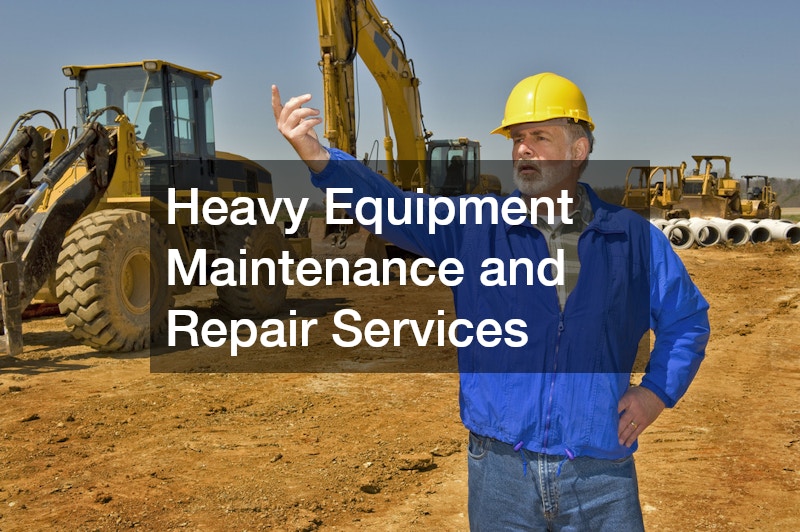
Heavy machinery endures constant wear and tear on a busy commercial job site, operating under extreme operational pressures, heavy loads, and harsh environmental conditions. When primary earthmovers, telehandlers, or hydraulic excavators suffer mechanical breakdowns, entire workflows grind to a sudden halt, triggering compounding delays and inflating daily overhead costs exponentially. A single idle machine can stall an entire crew, throwing off carefully synchronized project timelines and jeopardizing critical milestone deadlines.
Establishing long-term contracts for prompt equipment repair services guarantees that certified diesel mechanics and field technicians respond rapidly to complex hydraulic failures, electrical engine faults, structural stress fractures, and undercarriage track issues right on the job site. Mobilizing mobile repair units equipped with specialized diagnostic tooling and high-demand replacement parts drastically cuts equipment downtime, restoring operational capacity before a minor mechanical hiccup turns into an expensive project delay.
Beyond emergency interventions, these dedicated service partners implement rigorous, data-driven preventive maintenance schedules tailored to each piece of machinery’s operational hours and load profiles. Routine fluid analysis, filter replacements, hydraulic hose inspections, and track tensioning allow field mechanics to detect micro-wear patterns and mechanical fatigue before catastrophic component failure occurs.
Proactive upkeep, systematic hydraulic hose replacement, and rapid on-site emergency repairs significantly extend fleet longevity, optimize fuel efficiency, and ensure that heavy machinery consistently meets rigorous OSHA safety standards across multi-year build schedules. Furthermore, maintaining well-documented service histories protects machine resale values and prevents hazardous site accidents caused by mechanical failure, such as hydraulic line bursts or brake malfunctions.
Ultimately, integrating dedicated repair specialists into site logistics safeguards heavy capital investments, maintains steady operational momentum, and protects project profit margins against unexpected equipment failures.
Phase 4: Sustainable Site Closeout and Property Assessment
As construction nears completion, attention shifts from assembly to site reclamation, waste management, and financial valuation. Ending a project responsibility requires eco-friendly material handling and formal municipal compliance.
A commercial construction project lifecycle moves continuously through three distinct macro-phases from kickoff to completion. It opens in pre-construction with intensive earthwork and foundational site preparation, shifts into active construction to perform heavy hoisting and custom metal fabrication, and finishes in project closeout with job site scrap recycling and formal municipal financial auditing.
Structural Recycling and Job Site Scrap Management
Commercial job sites generate tons of leftover steel, rebar cut-offs, copper piping, and structural demolition debris. Partnering with certified steel recycling services helps contractors dispose of scrap responsibly while recovering revenue from leftover metals.
Recycling partners supply roll-off dumpsters, perform scheduled site pickups, and provide weight documentation required for LEED certification and green building accreditations. Efficient metal management reduces landfill impact and keeps closeout sites clean and organized.
Property Evaluation and Municipal Audits

Once the physical structure is finished and occupied, commercial property owners must complete financial, insurance, and tax assessments to establish a formal accounting baseline for the newly completed asset. Transitioning a project from an active construction site to an operational commercial real estate asset involves rigorous scrutiny from financial institutions, municipal entities, and underwriting authorities.
Obtaining a formal municipal property appraisal provides an accurate market valuation recognized by local tax authorities, lenders, institutional investors, and insurance underwriters. This comprehensive evaluation serves as the official financial benchmark for the property, establishing its initial tax assessment base and validating the total capital expenditure invested during the development process.
Certified commercial appraisers conduct exhaustive physical inspections and financial analyses, carefully evaluating on-site improvements, structural build quality, architectural materials, environmental compliance, zoning restrictions, and broader local real estate dynamics to establish fair market value. They examine every dimension of the development, including mechanical infrastructure, energy-efficiency certifications, tenant lease agreements, and comparable land sales within the surrounding municipality.
Having an accurate valuation ensures proper insurance coverage by establishing realistic replacement costs, preventing property owners from being either underinsured against catastrophic loss or overcharged on premium rates due to inflated property estimates. Furthermore, a precise appraisal helps owners manage municipal tax assessments effectively, offering a defensible foundation to challenge unfair tax burdens or petition for appropriate tax abatements granted for commercial revitalization.
Beyond tax mitigation and risk management, a certified appraisal value provides essential documentation for refinancing construction loans into long-term commercial mortgages, securing lines of credit, or satisfying investor reporting standards. Securing a professional municipal valuation ultimately closes the financial loop of the construction lifecycle, safeguarding the owner’s capital investment and positioning the commercial asset for long-term operational profitability.
Key Criteria for Vendor Selection
Selecting the right vendors requires evaluating several key factors beyond baseline cost. Project managers must thoroughly review safety records by checking OSHA logs, Experience Modification Rates, and safety certifications before issuing contracts. It is equally critical to confirm equipment capacity and fleet age to ensure partners maintain modern, well-maintained machinery capable of handling heavy commercial workloads.
Furthermore, general contractors should verify licensing and insurance to ensure vendors carry adequate commercial liability, workers’ compensation, and specialized coverage for complex structural tasks. Finally, partnering with financially stable contractors ensures that partners can cash-flow large material orders without delaying critical job site deliveries.
Streamlining Construction Procurement
Managing a complex commercial build requires assembling a team of proven trade specialists. From early site clearing and worker sanitation to custom fabrication, heavy lifting, and final property audits, each vendor plays a vital role in project execution.
By vetting partners early, defining clear scopes of work, and emphasizing safety and sustainability, project leaders can control costs, prevent downtime, and deliver high-quality commercial developments on schedule.