Construction and development projects often involve dozens of moving parts, from site preparation and material handling to paving, demolition, waste removal, and long-term maintenance. When these activities are poorly coordinated, delays can quickly increase labor costs, disrupt schedules, and create unnecessary safety risks. Improving efficiency requires more than simply completing tasks faster. It depends on better planning, clear communication, proper sequencing, and access to the right contractors and equipment at each stage of a project.
Project managers, developers, property owners, and contractors can improve overall performance by identifying where delays are most likely to occur and building systems that keep work moving. This includes coordinating specialized services, reducing unnecessary equipment downtime, managing construction debris efficiently, and planning for future maintenance before the project is complete.
Building a More Detailed Project Schedule
A strong schedule is one of the most important tools for keeping a construction project efficient. Each phase should be arranged according to dependencies rather than treated as an independent task.
For example, underground work may need to be completed before foundations, pavement, or landscaping can begin. Utility installations may also affect grading or structural work. If crews arrive before prerequisite tasks are finished, equipment and labor may sit idle while the project waits for another contractor.
Scheduling should account for equipment availability, inspections, permits, material deliveries, and subcontractor timelines. Managers should also include reasonable buffers for weather, supply interruptions, or unexpected site conditions.
Digital project management tools can help teams monitor progress and communicate schedule changes quickly. Even smaller development projects benefit from keeping one centralized schedule that contractors, supervisors, and decision-makers can reference.
Preparing the Site Before Major Work Begins
Effective site preparation creates a more predictable environment for every contractor who follows. Clearing, grading, trenching, and excavating should be carefully planned to avoid repeated disturbance of the same areas.
Before excavation begins, teams should confirm utility locations, drainage requirements, access routes, and final elevations. This reduces the likelihood that crews will need to regrade or reopen completed sections later.
Large properties may require staged earthmoving so that one section remains accessible while another is being prepared. Maintaining temporary roads and designated equipment paths can also reduce congestion and keep heavy machinery away from sensitive areas.
Site managers should continuously monitor soil conditions, drainage, and elevation changes. Early corrections are generally easier than trying to resolve grading problems after pavement, foundations, or landscaping have already been installed.
Coordinating Specialized Structural Work
Some projects require precise alterations to existing slabs, walls, roadways, or foundations. In these situations, concrete cutting can provide controlled openings for plumbing, electrical systems, utility access, structural modifications, or demolition work.
Scheduling this type of work at the correct stage is essential. Cutting too early may expose areas that are still needed for equipment traffic, while performing it too late may interfere with finished surfaces or installed systems.
Accurate drawings and field verification can reduce mistakes before cuts are made. Contractors should confirm dimensions, reinforcement locations, embedded utilities, and structural requirements before beginning.
When structural modifications are coordinated with mechanical, plumbing, and electrical contractors, the risk of repeated work decreases. Efficient sequencing also allows finishing crews to proceed without unnecessary interruptions.
Managing Specialized Drilling Operations
Industrial and energy-related developments may involve specialized drilling activities that require additional planning beyond typical construction operations. When a project depends on an oil well driller, scheduling must account for heavy equipment access, environmental requirements, safety zones, material delivery, and coordination with other contractors.
Drilling operations can affect surrounding site activity because equipment may require significant staging space. Development teams should identify access routes in advance so drilling equipment does not interfere with excavation, trucking, or material storage.
Communication becomes particularly important when multiple specialized contractors operate on the same property. Daily coordination meetings can help identify changes in drilling progress that may affect other scheduled activities.
Clear site controls also reduce confusion about restricted areas, temporary roadways, and equipment movement.
Creating a More Efficient Waste Management Plan
Construction debris can quickly accumulate and restrict access if waste management is treated as an afterthought. A reliable dumpster rental service can help keep work areas organized by providing designated locations for debris disposal.
Dumpster placement should be determined before major demolition or construction begins. Containers should remain accessible to workers while staying clear of delivery zones, emergency access routes, and active equipment paths.
Project managers can also consider using multiple containers when different waste streams require separation. Keeping wood, metal, concrete, and general debris organized may simplify disposal and recycling.
Pickup schedules should correspond with expected debris volume. Allowing containers to overflow can slow crews, create safety concerns, and leave materials scattered around the site.
Efficient waste handling allows workers to spend more time completing productive tasks rather than moving debris repeatedly.
Recovering Recyclable Materials
Not every material removed from a jobsite belongs in a general waste container. Metals from demolition, renovations, mechanical systems, or structural components may be suitable for recycling.
Arranging scrap metal pickup can prevent these materials from taking up valuable storage space while supporting a more organized jobsite. Metal can accumulate quickly during large renovation or demolition projects, particularly when old piping, structural components, equipment, fixtures, or mechanical systems are removed.
Creating designated recycling areas helps workers separate materials immediately rather than sorting them later.
Project teams should determine which materials are accepted by recycling providers and whether certain metals should be stored separately. Clear signage and worker communication can make sorting easier.
Reducing unnecessary waste handling improves efficiency while helping contractors maintain cleaner work areas.
Addressing Existing Underground Infrastructure
Redevelopment projects frequently uncover older infrastructure that must be evaluated before new construction proceeds. One example is oil tank removal on properties where outdated storage systems remain underground or inside existing structures.
Removing these tanks should be coordinated early because unexpected discoveries can affect excavation, grading, foundation work, or environmental reviews.
Project managers should research historical property use whenever possible before major earthwork begins. Old site plans, property records, and previous inspection reports may provide valuable information about abandoned systems.
Early identification allows contractors to schedule specialized removal without stopping unrelated work. It also provides additional time to address documentation or regulatory requirements that may be associated with older storage systems.
Planning for these conditions reduces the risk that unexpected infrastructure will disrupt the critical path of a project.
Improving Roads and Parking Areas
Transportation surfaces influence how efficiently people, materials, and equipment move throughout a development. Working with an asphalt contractor can help developers properly sequence parking lots, access roads, loading areas, and other paved surfaces.
Temporary access should often be established before final paving takes place. Heavy equipment can damage finished pavement if permanent surfaces are installed too early.
Teams should also coordinate drainage, curbing, utility covers, and underground systems before asphalt installation. Reopening newly paved areas to repair utilities creates unnecessary cost and schedule disruption.
Final paving is generally most efficient when heavy construction activity has decreased. At that point, surfaces can be installed with less risk of damage from cranes, excavators, dump trucks, and material deliveries.
Planning Durable Hardscape Areas
Walkways, patios, plazas, entryways, and other hardscape areas can require precise installation and careful coordination with surrounding construction. A local paver may be involved in installing these features after major utility, drainage, and grading work has been completed.
Scheduling hardscape too early may result in damage from construction traffic. Waiting until heavy equipment has moved out of the area helps protect newly installed surfaces.
Teams should also confirm finished elevations before installation begins. Pavers need to align properly with doors, curbs, drainage structures, landscaping, and adjacent pavement.
Material deliveries should be staged close enough to the installation area to reduce unnecessary handling without blocking access for other contractors.
Efficient hardscape planning can reduce labor while creating a cleaner transition between building entrances, parking areas, pedestrian routes, and landscaped spaces.
Using Rental Equipment Strategically
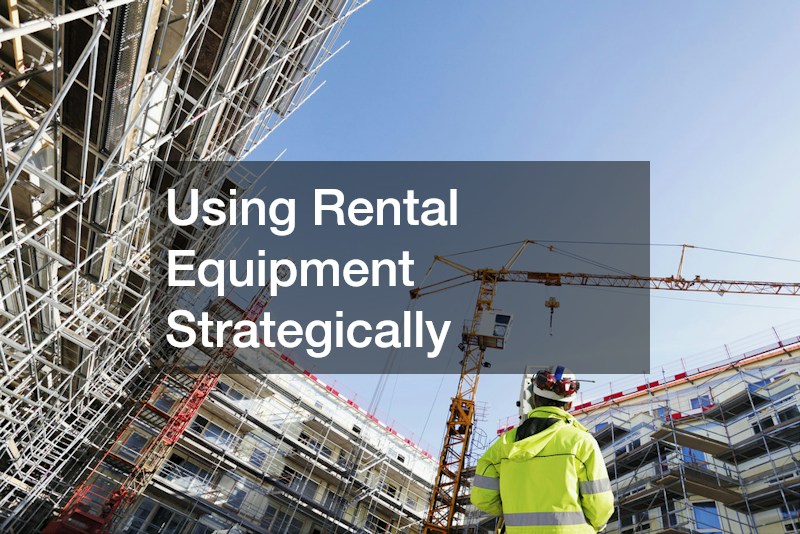
Not every project requires purchasing specialized machinery. A landscaping equipment rental service can provide access to temporary equipment for grading, planting, soil preparation, cleanup, and exterior improvements.
Rentals can be especially useful when equipment is only needed for a few days or for a specific phase of construction. However, poor scheduling can eliminate the financial benefits of renting.
Project managers should confirm that operators, materials, and work areas are ready before rented equipment arrives. Paying rental fees while machinery remains unused creates unnecessary costs.
Equipment should also be selected based on site conditions. Compact machines may work better in restricted areas, while larger equipment may improve productivity on open sites.
Coordinating delivery and pickup with the construction schedule keeps rental periods short and ensures equipment does not occupy valuable staging areas longer than necessary.
Reducing Material Handling and Equipment Movement
Excessive movement is one of the most common sources of inefficiency on a jobsite. Workers may spend significant time relocating materials that were delivered to the wrong location or moving equipment around obstacles.
A detailed site logistics plan can reduce this problem.
Delivery zones should be positioned near areas where materials will eventually be installed. Frequently used materials should remain easily accessible, while long-term storage areas should stay clear of active work zones.
Managers should also consider equipment traffic patterns. Creating designated routes for loaders, trucks, lifts, and other machinery can reduce congestion and improve safety.
As the project evolves, staging areas should be adjusted. Space needed for structural materials during early construction may later become available for landscaping materials, paving supplies, or finishing work.
Improving Communication Between Contractors
Even a well-designed schedule can fail without consistent communication. Contractors need timely information about changing site conditions, completed work, inspections, and upcoming activities.
Regular coordination meetings help project teams identify conflicts before they cause delays. These meetings do not need to be lengthy. A focused review of upcoming tasks, deliveries, access requirements, and potential obstacles can prevent hours or days of lost productivity.
Project managers should document major schedule changes and distribute updates promptly. Contractors should also have a clear process for reporting unexpected conditions.
Visual planning tools can be particularly helpful on large sites. Updated maps showing equipment zones, storage areas, temporary roads, utilities, and restricted sections give crews a shared understanding of current conditions.
Protecting Completed Surfaces
Efficiency extends beyond initial installation. Protecting finished work prevents crews from having to repair or replace surfaces that were damaged during later construction.
This is particularly important for concrete, paving, flooring, landscaping, and exterior hardscape.
Temporary barriers can keep equipment away from completed areas. Protective coverings may also be needed where workers continue moving tools or materials through finished spaces.
Surface maintenance should be considered when development reaches its final stages. For example, driveway paver sealing can help property owners protect certain finished paved areas once construction traffic has ended and surfaces are ready for long-term use.
Maintenance planning helps preserve completed work and reduces the likelihood that property owners will need corrective work shortly after the project is finished.
Preventing Delays Through Better Procurement
Materials and equipment should arrive when they are needed rather than simply being ordered as early as possible. Early deliveries can create storage problems, while late deliveries can stop crews entirely.
Procurement schedules should identify long-lead items first. Structural materials, mechanical equipment, custom fixtures, specialty products, and imported components may require significant advance planning.
Project managers should verify lead times regularly rather than relying solely on estimates provided during early planning.
Alternative suppliers or substitute materials can also be identified before problems occur. Having contingency options makes it easier to respond when shipping delays or shortages affect the original plan.
Monitoring Productivity Throughout the Project
Efficiency should be measured rather than assumed. Project managers can track labor hours, equipment use, material waste, schedule performance, and completed work to identify areas where productivity is declining.
Daily field reports provide useful information about crew sizes, weather conditions, deliveries, equipment use, and completed tasks.
Patterns often become visible over time. Repeated delays in one activity may indicate scheduling problems, insufficient equipment, poor site access, or communication gaps.
Managers can then address the specific cause instead of simply pushing crews to work faster.
Productivity monitoring also improves future estimating. Historical data helps contractors understand how long certain activities actually take under real jobsite conditions.
Creating a More Efficient Project From Start to Finish
Efficient construction and development depend on coordination across every stage of work. Site preparation, specialized contracting, waste management, equipment rental, paving, hardscape installation, and maintenance all affect one another.
The most successful projects typically reduce unnecessary movement, prevent repeated work, and make sure each contractor has access to the site when needed. Detailed scheduling and regular communication allow teams to identify problems before they become major delays.
Developers should also think beyond immediate construction. Planning for long-term access, pavement care, drainage, landscaping, and maintenance can protect the investment after crews leave the site.
By approaching construction as a connected sequence rather than a collection of independent tasks, project teams can use labor, equipment, materials, and time more effectively. Better coordination ultimately creates a smoother development process while reducing avoidable delays and supporting more predictable project outcomes.