
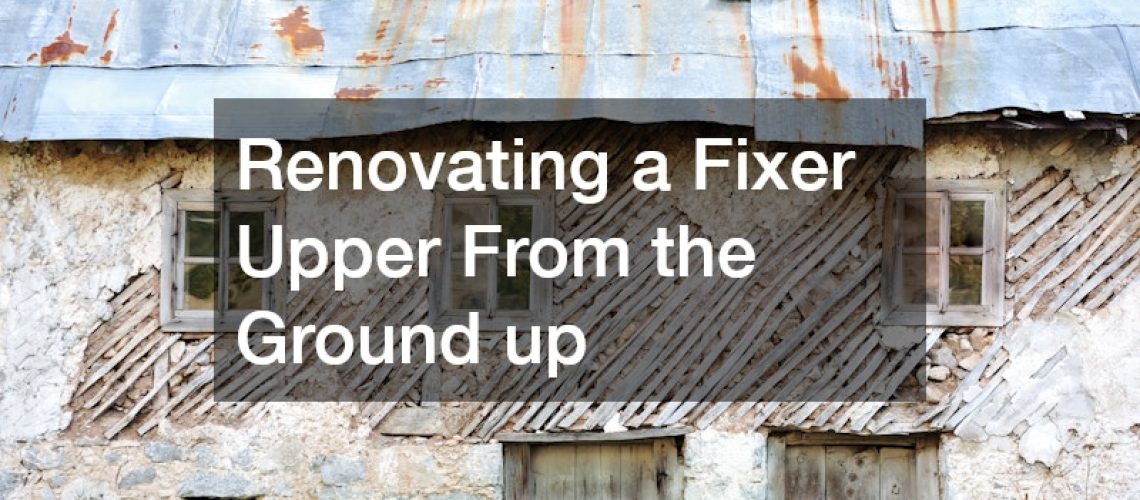
Purchasing a fixer-upper property offers an incredible opportunity to design a customized dream home while building significant sweat equity. However, the journey from an unstable, neglected structure to a polished, modern masterpiece is a complex logistical undertaking. Unlike simple cosmetic remodels, renovating a severely degraded property from the ground up requires deep structural re-engineering, precise project management, and a highly coordinated sequence of specialized construction trades.
Without a rigorous, phased blueprint, a whole-house renovation can quickly spiral into an overwhelming financial trap. Every phase of construction, from clearing out decay and stabilizing foundations to sealing the weather envelope and modernizing infrastructure, must be executed in a precise chronological order. This comprehensive manual provides an in-depth, professional guide to managing a complete property transformation safely, efficiently, and with maximum structural integrity.
1. Clearing Out Structural Decay and Preparing the Job Site Foundation

Coordinating Whole-House De-Cluttering and Organizing Dynamic Waste Streams
Before any mechanical trades can step foot onto a property, the physical site must be completely cleared of legacy waste, abandoned furniture, and hazardous interior debris. Attempting to navigate structural framing or analyze foundational settling while wading through piles of junk introduces immediate safety liabilities and slows down contractor progress. Establishing a clean, bare-stud layout is essential for an accurate structural assessment.
To keep your job site organized from day one, setting up an efficient waste management system is critical. Booking a high-capacity dumpster rental ensures that your crew has a central disposal point for construction materials, old plaster, and torn carpets. For vast properties or estates filled with massive, heavy legacy items that exceed standard container limits, utilizing professional junk hauling teams speeds up the site preparation phase, clearing out the workspace for incoming construction crews.
-
Map Out Strategic On-Site Container Drop Zones: Position your waste containers on solid gravel or protective plywood sheets close to primary egress doors to minimize handling distance.
-
Segregate Recyclable and Hazardous Building Materials: Separate clean lumber, scrap metals, and masonry rubble from general trash to significantly lower municipal tipping fees.
2. Executing Controlled Interior Takedowns and Hazardous Material Abatement
Removing Non-Load-Bearing Partitions and Managing Controlled Structural Strip-Downs
Once the loose trash has been fully cleared, the meticulous process of structural strip-down can begin. This stage involves removing damaged drywall, rotten lath-and-plaster, and compromised subfloors down to the original structural timber bones. Stripping the home down to its bare studs allows engineers to inspect the core structural layout for hidden termite damage, fire history, or shifting frame alignments.
For homes suffering from severe structural rot, unpermitted additions, or compromised chimneys, hiring specialized demolition services is highly recommended to manage complex cutaways safely. Professional strip-downs ensure that load-bearing walls remain perfectly supported with temporary shoring walls while unsafe structural sections are removed. Working with certified tear-out specialists ensures your home is stripped clean without compromising the core framing.
-
Construct Temporary Interior Shoring Walls: Install heavy-duty $2\times4$ or $2\times6$ structural support walls parallel to any load-bearing partitions before removing damaged framing members.
-
Test for Asbestos and Lead-Based Paint Layers: Sample older plaster texturing and pipe insulations before tearing them out; if positive, bring in containment teams to isolate hazardous particles.
3. Stabilizing the Foundation and Executing Heavy Excavation Upgrades
Sourcing Massive Material Movers and Engineering Specialized Earth-Retention Barriers
A house is only as stable as the soil and concrete beneath it. Many fixer-upper properties suffer from cracked foundations, bowing basement walls, or severe grading issues that dump water directly into the crawlspace. Correcting these critical issues requires heavy-duty earth-moving machinery to reshape the surrounding land, dig out failing footers, and establish deep subsurface drainage networks.
When tackling massive foundation excavations or deep trenching loops, partnering with premier heavy construction equipment companies gives you access to tracked excavators, compact track loaders, and heavy-duty trenchers. If your project demands extensive land leveling or structural backfilling, sourcing raw materials from local quarry supplies ensures you receive the correct specification of crushed angular stone, coarse sand, and drainage gravels needed to protect your subterranean foundation footings from frost heaves.
-
Deploy Tracked Excavators with Hydrologic Shoring: Use heavy machinery to dig out failing perimeter walls while installing solid metal trench boxes to protect workers from soil cave-ins.
-
Incorporate Multi-Layer Angular Stone Drainage Envelopes: Lay a thick base of clean, washed stone from nearby pits beneath your foundation pads to allow rising groundwater to flow harmlessly into drainage pipes.
4. Pouring Structural Grade Footers and Upgrading Masonry Foundations

Designing High-Strength Mud Slabs and Partnering with Certified Masonry Crews
Once the soil has been excavated and leveled, you can begin rebuilding the home’s subterranean foundation footprint. This phase involves setting up engineered wooden formwork, laying down tightly tied grids of thick steel rebar, and pouring fresh structural-grade concrete. This new foundation stone must cure slowly to reach its maximum load-bearing potential, establishing a solid base that easily carries the weight of the home above.
To ensure your foundation walls are flawlessly square and level, contracting with licensed concrete contractors is an absolute necessity. These specialists understand how to anchor structural sill plates precisely to the cured masonry. Coordinating your build timeline with a reliable concrete delivery service ensures that high-strength, transit-mixed mud arrives precisely when your formwork is ready, eliminating cold joints and ensuring a unified, monolithic foundation pour.
-
Mandate Precise 3-4-5 Geometry Layouts on Forms: Cross-check your foundation form corners using laser transits to guarantee the entire perimeter is perfectly square before the pour.
-
Vibrate Freshly Poured Concrete Thoroughly: Run mechanical immersion vibrators throughout the fresh pour to eliminate hidden air pockets and consolidation voids around steel rebar grids.
5. Managing Heavy Overhead Structural Lifts and Advanced Steel Placements
Orchestrating Precision Overhead Rigging and Positioning Multi-Ton Load Barriers
As a fixer-upper is rebuilt, modern architectural designs often require clearing out cluttered interior walls to create open-concept living spaces or adding multi-story additions. This type of modern floor plan requires replacing old, sagging wooden support joists with massive engineered lumber beams or multi-ton structural steel I-beams. Maneuvering these incredibly heavy structural members into position by hand is virtually impossible and highly dangerous.
To execute these heavy overhead lifts safely, hiring an experienced crane company is the most efficient solution. A certified crane operator can easily lift massive steel ridge beams, pre-fabricated sub-floor trusses, or whole wall assemblies from the delivery truck and lower them directly into position with millimeter precision. Using professional rigging ensures your new structural framework is assembled quickly and safely.
-
Draft a Comprehensive Critical Lift Plan: Calculate the exact weight of your steel beams and match it to the crane’s load-radius charts before lifting any materials over the house.
-
Utilize Specialized Dual Tag-Line Controls: Attach long, heavy nylon guide ropes to both ends of the overhead load so ground crews can control spinning without standing directly beneath the beam.
6. Hardening the Weather Envelope and Upgrading Exterior Surfaces
Installing High-Performance Underlayments and Executing Leak-Proof Valley Flashing
With the foundation and structural framing fully secured, your next immediate priority is protecting the interior of the home from the elements. A leaky, compromised roof will rapidly destroy new framing lumber, warp subfloors, and invite dangerous mold growth. Weatherproofing the roof structure must be completed before any interior utilities, insulation, or drywall can be installed.
Partnering with a licensed commercial roofing contractor ensures that your house is sealed using high-performance synthetic weather barriers, self-healing ice-and-water shields, and impact-resistant shingles or metal panels. A professional roofer will give close attention to critical transition zones like step flashings around chimneys, valley definitions, and ridge ventilation strips. This careful execution keeps your interior workspace perfectly dry and fully prepared for downstream finishing trades.
-
Install Self-Adhering Ice and Water Barriers: Apply thick rubberized asphalt membranes along all roof eaves, valleys, and low-pitch transitions to prevent water back-ups from winter ice dams.
-
Mandate the Use of Synthetic Roof Underlayments: Replace cheap, traditional organic felt paper with high-strength woven synthetic underlayments that resist tearing and block UV breakdown.
7. Modernizing High-Voltage Electrical Infrastructure and Power Feeds

Designing Smart Home Automation Layouts and Routing High-Capacity Service Panels
Once the property is fully protected from rain and wind, your interior mechanical infrastructure can be installed. Legacy fixer-upper properties are notorious for dangerous, outdated electrical systems like knob-and-tube wiring, ungrounded outlets, and rusted, undersized fuse boxes that present immediate fire hazards. Modern living demands an entire redesign of the home’s electrical grid.
Bringing in certified, master electricians ensures that your entire home is rewired up to modern National Electrical Code (NEC) standards. Professional wire execution involves upgrading your street service drop, installing a clean 200-amp breaker panel, and routing dedicated, arc-fault-protected circuits to kitchens, bathrooms, and high-load HVAC equipment. These foundational upgrades keep your family safe and ensure your electrical system can easily power modern appliances and smart home tech.
-
Upgrade to a Minimum 200-Amp Main Service Panel: Replace old, dangerous 60-amp fuse boxes with high-capacity breaker panels to comfortably power modern heat pumps and EV charging stations.
-
Enforce Strict AFCI and GFCI Protection Codes: Install specialized arc-fault and ground-fault circuit interrupters on all residential lines to maximize protection against electrical fires and shocks.
8. Mastering Interior Architectural Trims and Surface Finishes
Installing Precision Crown Moldings and Executing Flawless Drywall Mudding Compounds
With the core utilities safely tucked behind the walls, the transformation shifts focus from structural engineering to visible artistry. Closing up the open framing requires hanging high-density drywall panels, taped tightly at the seams with fiber mesh, and smoothed down with multiple coats of premium joint compound. Skipping patience during the mudding and sanding phase ensures every minor imperfection will catch the light, instantly cheapening the look of your newly built spaces.
Once the drywall provides a crisp, uniform canvas, introducing architectural millwork adds an upscale, custom character to the fixer-upper. Installing detailed crown moldings, thick baseboards, and elegant window casings hides minor settlement gaps and elevates room geometry. Utilizing laser-guided miter saws and specialized pneumatic brad nailers guarantees tight scarf joints and flawless corners, creating the polished luxury feel typical of high-end custom properties.
-
Execute a Minimum Three-Coat Mudding Sequence: Apply thin, progressively wider feather layers of joint compound over taped seams, block-sanding meticulously between applications for a seamless Level 5 finish.
-
Incorporate Moisture-Resistant Drywall in Wet Zones: Install specialized greenboard or cement backer units across bathrooms and laundry closets to insulate walls against water vapor.
9. Engineering Professional Outdoor Spaces and Landscape Geometry

Designing Advanced Soil Drainage Arrays and Pouring Structural Hardscape Features
The final boundary of a complete fixer-upper transformation involves reclaiming the surrounding exterior property lines. Neglected homes almost always feature overgrown trees with roots threatening foundation footings, cracked perimeter retaining walls, and poorly sloped yards that pool mud against the crawlspace. True property revitalization demands a comprehensive land overhaul to protect your interior structural investments from external water threats.
Reshaping the exterior landscape layout involves installing modern French drainage systems and pouring structural concrete walkways, patios, and retaining barriers. Correcting the slope of the land so it falls away from the foundation at a strict, code-compliant pitch prevents soil saturation from wicking through the basement walls. Combining proper soil engineering with beautiful landscape design creates an exceptional first impression while ensuring your property handles heavy storm runoff safely for decades.
-
Enforce a Strict Five-Percent Exterior Ground Slope: Grade the soil to drop at least 6 inches within the first 10 feet moving away from foundation walls to ensure water drains safely away.
-
Deploy Deep Root-Barrier Shields Along Foundations: Drive high-density plastic geometric root guards into trenches near retaining walls to stop aggressive tree roots from breaking underground utilities.
Renovating a neglected fixer-upper property from the ground up is an intense, deeply rewarding journey that demands precise structural engineering and a disciplined approach to project management. By stepping away from disorganized cosmetic fixes and focusing your attention on a logical, phased construction sequence, such as clearing out site debris, pouring fresh foundation concrete, anchoring heavy overhead steel beams, and completely modernizing your electrical grid, you turn a risky investment into a beautiful, secure home. Taking the time to properly restore the core structural bones of the house eliminates unexpected surprises and ensures your investment is built to last.
Ultimately, your success relies on your willingness to do your homework and partner with certified specialists who treat your property with absolute professional care. Coordinating your project timeline with licensed contractors, professional site services, and structural trades ensures your renovation moves forward smoothly, safely, and on budget. Keep your focus on building a strong foundation, check for verified technical credentials across every trade, and maintain open, clear communication on the job site. By taking this disciplined, proactive approach to your fixer-upper project, you will breathe new life into an old house, creating a safe, highly efficient home that your family can enjoy for generations to come.